Morocco Capital and Currency Guide: Essential Traveler Tips
Complete guide to Morocco's capital (Rabat) and currency (Moroccan Dirham / MAD): exchange rates, ATMs, cash customs rules, tipping etiquette, and budget planning.
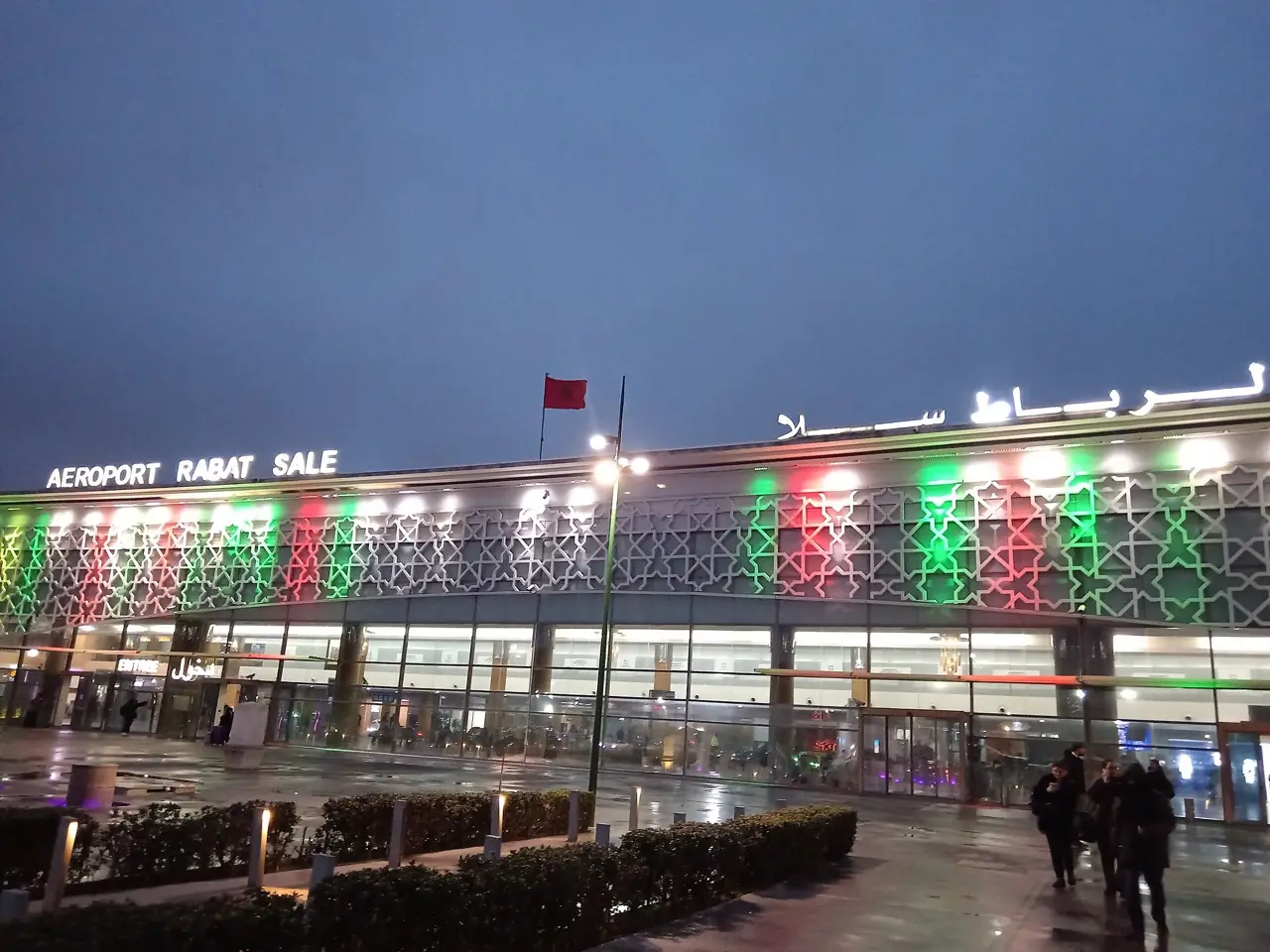
Planning your first trip to Morocco? Understanding the country's national capital, legal currency, banking infrastructure, cash handling customs, and daily spending habits is essential for a frictionless travel experience.
Detailed Overview: Morocco Capital and Currency Guide: Essential Traveler Tips
Morocco rewards visitors who take the time to understand its unique geography, cultural etiquette, and transportation networks. Whether your itinerary centers on the energetic pulse of the imperial cities, the windswept ramparts of the Atlantic coastline, or the tranquil mountain hamlets of the High Atlas and Rif ranges, having accurate, localized knowledge turns a standard vacation into an extraordinary journey.
In this comprehensive guide, we examine the essential practicalities of Morocco Capital and Currency Guide: Essential Traveler Tips, exploring route choices, timing recommendations, budget considerations, and local insider secrets that foreign travelers frequently overlook.
Key Highlights and Practical Advice
To ensure you maximize your time and budget, consider these crucial insights:
- Pacing Your Travel: Moroccan roads pass through dramatically changing topography. Distances that appear modest on digital maps often involve winding mountain grades, scenic roadside valleys, and security checkpoints that require relaxed, realistic scheduling.
- Choosing Between Public Rail and Private Chauffeur: While Morocco's Al Boraq high-speed train connects northern cities like Tangier, Rabat, and Casablanca with speed and efficiency, it does not reach mountain towns like Chefchaouen, coastal ports like Essaouira, or southern centers like the Sahara Desert. In these regions, reserving a dedicated private chauffeur in Morocco provides door-to-door comfort and schedule autonomy.
- Cultural Etiquette & Local Interaction: Engaging with artisans, shopkeepers, and local drivers is one of the warmest aspects of Moroccan hospitality. Greet locals with a warm "Salam Alaykum" (peace be upon you), take your time during conversations, and embrace the relaxed pace of life.
- Currency & Cash Handling: The Moroccan Dirham (MAD) is a closed currency. While credit cards are widely accepted at 4- and 5-star hotels, luxury restaurants, and modern shopping malls in Casablanca and Marrakech, cash remains essential for tipping, rural fruit stalls, and medina souks.
Comfort, Safety & Fleet Standards for Moroccan Road Trips
Long highway and mountain drives require reliable, climate-controlled vehicles. When booking private transportation through our service, travelers enjoy access to a meticulously maintained commercial fleet:
- Executive Sedans (Mercedes-Benz E-Class): Designed for solo voyagers and couples seeking silent, air-conditioned cruising and executive comfort between major cities.
- Luxury Minivans (Mercedes-Benz V-Class / Vito): The gold standard for families and small groups of 3 to 7 passengers. Features face-to-face seating, multi-zone air conditioning, generous luggage capacity, and onboard Wi-Fi.
- Executive VIP Minibuses (Mercedes-Benz Sprinter): Perfect for tour groups, delegations, and corporate retreats of 8 to 17 passengers.
Expert Recommendations for International Visitors
Whether you are planning airport transfers from Casablanca Mohammed V (CMN), exploring UNESCO heritage landmarks, or embarking on day trips to coastal ramparts, advance planning delivers peace of mind:
- Book Transport in Advance: During peak tourist seasons in spring and autumn, top-rated English-speaking chauffeurs and luxury minivans book out weeks ahead.
- Coordinate Medina Arrivals: Ancient medinas in cities like Fes, Marrakech, and Chefchaouen are pedestrian-only zones. Your private driver will coordinate directly with your riad host to meet you at the nearest historic gate and arrange luggage porters.
- Stay Hydrated and Sun-Protected: North African sunshine is intense year-round. Always carry bottled mineral water, apply high-SPF sunscreen, and wear comfortable walking shoes for cobbled medina lanes.
Frequently Asked Questions
How can I book a private driver for this route?
You can reserve directly through our online booking portal or message our 24/7 bilingual support team via WhatsApp for instant quotes and vehicle selection.
Are prices fixed upfront?
Yes. All our private chauffeur and transfer rates are 100% fixed and inclusive—covering professional driver fees, vehicle fuel, highway tolls, parking, and passenger liability insurance.
Ready to experience Morocco in comfort and style? Explore our private chauffeur booking page to secure your dates today.
Rabat: Morocco's Modern Capital and Royal Center
While many international tourists mistake Casablanca or Marrakech for Morocco's capital, the political and administrative capital of the Kingdom is Rabat. Designated the capital in 1912 by Sultan Moulay Youssef, Rabat is a serene, dignified coastal city known for wide tree-lined boulevards, embassies, royal palaces, and clean pedestrian promenades.
Unlike the intense tourism focus of Marrakech, Rabat offers a tranquil cultural experience where visitors can explore the UNESCO-listed Kasbah of the Udayas, the ancient Chellah necropolis, the Grand Theatre designed by Zaha Hadid, and the royal palace (Dar al-Makhzen) without aggressive touts or souvenir haggling.
The Moroccan Dirham (MAD): Everything You Must Know
The official currency of Morocco is the Moroccan Dirham (MAD), represented locally as DH. Key financial insights for travelers include:
- Closed Currency Regulation: You cannot import or export large amounts of Moroccan Dirhams. Do not attempt to exchange dirhams before leaving your home country; exchange money upon arrival at airports or withdraw dirhams directly from local bank ATMs.
- Exchange Rates & ATMs: As a handy rule of thumb, $1 USD is approximately 10 MAD, and €1 EUR is roughly 10.8 MAD (rates vary with international markets). Bank ATMs affiliated with Attijariwafa Bank, BMCE Bank of Africa, and Banque Populaire are ubiquitous in all cities and accept Visa and Mastercard.
- Cash vs. Cards: International credit cards are standard at 4- and 5-star hotels, luxury riads, and upscale shopping malls. However, cash is non-negotiable for petty taxis, tipping, street markets, and rural cooperatives. Always carry small banknotes (20, 50, and 100 MAD).
- Tipping (Baksheesh) Protocol: Tipping is deeply ingrained in Moroccan culture. Leave 10% in cafes and restaurants, 5 to 10 MAD for hotel luggage porters, and 150 to 300 MAD per day for a private driver on a full-day tour.
Insider Road Trip Strategies for Morocco Travelers
Navigating between Moroccan destinations involves much more than simply tracking miles on a map. Because road surfaces, mountain gradients, and seasonal climates vary dramatically, adopting professional journey planning techniques ensures a safe and deeply enjoyable vacation:
- Factoring in Mountain Hairpin Turns: When calculating travel times across mountain passes like Tizi n'Tichka (connecting Marrakech to Ouarzazate) or the Rif switchbacks heading toward Chefchaouen, expect average vehicle speeds of 40 to 50 km/h (25 to 30 mph). These dramatic landscapes offer breathtaking panoramic photo opportunities, so build extra cushion into your daily arrival schedule.
- Highway Police Checkpoints & Local Etiquette: Gendarmerie Royale and Sûreté Nationale traffic control checkpoints are standard at the entry and exit of every major Moroccan town. They exist to maintain national road safety. While foreign drivers renting self-drive cars frequently find these encounters confusing, our licensed professional chauffeurs handle all police interactions swiftly and respectfully in Arabic and French, ensuring zero delays for you.
- Comfort & Hygiene Stops: On long highway journeys (such as Casablanca to Tangier or Marrakech to Fes), your chauffeur selects premier, certified highway rest areas (such as modern Afriquia or Shell stations) featuring spotlessly clean restrooms, barista-pulled espresso coffee, fresh orange juice, and baby changing amenities.
- Seasonal Weather Preparation: Morocco is a land of extremes. Coastal regions like Tangier and Essaouira stay refreshed by Atlantic trade winds, while interior valleys like Marrakech and Ouarzazate experience intense summer sunshine. In the High Atlas, winter snowfalls can temporarily close high mountain passes, making experienced mountain chauffeurs essential for safety.
Booking Transparency: Why Reputable Chauffeur Services Outperform Street Taxis
For international travelers arriving from North America and Europe, the primary frustration with street transportation in Morocco is arbitrary pricing, lack of vehicle maintenance, and missing child safety seats. By pre-booking your journey with our licensed chauffeur service, you benefit from:
- 100% Guaranteed fixed pricing agreed in writing before departure—no hidden surcharges, night-time premiums, or luggage fees.
- Comprehensive commercial passenger transport insurance meeting all requirements of the Moroccan Ministry of Transport.
- Meticulously cleaned, sanitized, and air-conditioned Mercedes-Benz sedans and minivans with complimentary mineral water and Wi-Fi.
- English-speaking professional drivers dedicated to making your journey safe, informative, and comfortable.
Have questions or ready to reserve your ride? Visit our private driver in Morocco service page or reach out directly to our 24/7 bilingual dispatch team on WhatsApp for an immediate personalized quotation.