Best Shopping in Marrakech: Souks, Artisan Markets & Medina Guide
Ultimate guide to shopping in Marrakech: navigating the souks of Semmarine and Cherratine, bargaining tips, leather, argan oil, rugs, ceramics, and boutique concept stores in Guéliz.
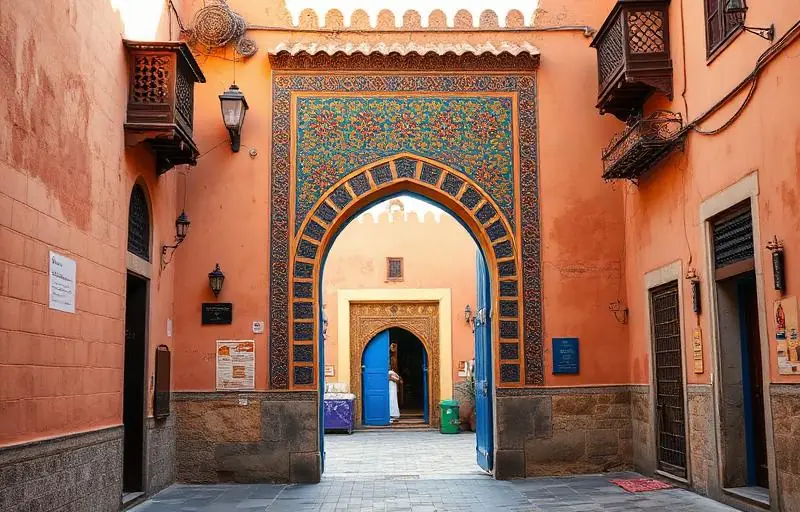
Marrakech is one of the world's most exhilarating shopping destinations. From sensory labyrinthine medina souks packed with handcrafted leather babouches and brass lanterns to chic designer concept stores in the modern district of Guéliz, here is your definitive insider's guide to shopping in Marrakech.
Detailed Overview: Best Shopping in Marrakech: Souks, Artisan Markets & Medina Guide
Morocco rewards visitors who take the time to understand its unique geography, cultural etiquette, and transportation networks. Whether your itinerary centers on the energetic pulse of the imperial cities, the windswept ramparts of the Atlantic coastline, or the tranquil mountain hamlets of the High Atlas and Rif ranges, having accurate, localized knowledge turns a standard vacation into an extraordinary journey.
In this comprehensive guide, we examine the essential practicalities of Best Shopping in Marrakech: Souks, Artisan Markets & Medina Guide, exploring route choices, timing recommendations, budget considerations, and local insider secrets that foreign travelers frequently overlook.
Key Highlights and Practical Advice
To ensure you maximize your time and budget, consider these crucial insights:
- Pacing Your Travel: Moroccan roads pass through dramatically changing topography. Distances that appear modest on digital maps often involve winding mountain grades, scenic roadside valleys, and security checkpoints that require relaxed, realistic scheduling.
- Choosing Between Public Rail and Private Chauffeur: While Morocco's Al Boraq high-speed train connects northern cities like Tangier, Rabat, and Casablanca with speed and efficiency, it does not reach mountain towns like Chefchaouen, coastal ports like Essaouira, or southern centers like the Sahara Desert. In these regions, reserving a dedicated private chauffeur in Morocco provides door-to-door comfort and schedule autonomy.
- Cultural Etiquette & Local Interaction: Engaging with artisans, shopkeepers, and local drivers is one of the warmest aspects of Moroccan hospitality. Greet locals with a warm "Salam Alaykum" (peace be upon you), take your time during conversations, and embrace the relaxed pace of life.
- Currency & Cash Handling: The Moroccan Dirham (MAD) is a closed currency. While credit cards are widely accepted at 4- and 5-star hotels, luxury restaurants, and modern shopping malls in Casablanca and Marrakech, cash remains essential for tipping, rural fruit stalls, and medina souks.
Comfort, Safety & Fleet Standards for Moroccan Road Trips
Long highway and mountain drives require reliable, climate-controlled vehicles. When booking private transportation through our service, travelers enjoy access to a meticulously maintained commercial fleet:
- Executive Sedans (Mercedes-Benz E-Class): Designed for solo voyagers and couples seeking silent, air-conditioned cruising and executive comfort between major cities.
- Luxury Minivans (Mercedes-Benz V-Class / Vito): The gold standard for families and small groups of 3 to 7 passengers. Features face-to-face seating, multi-zone air conditioning, generous luggage capacity, and onboard Wi-Fi.
- Executive VIP Minibuses (Mercedes-Benz Sprinter): Perfect for tour groups, delegations, and corporate retreats of 8 to 17 passengers.
Expert Recommendations for International Visitors
Whether you are planning airport transfers from Casablanca Mohammed V (CMN), exploring UNESCO heritage landmarks, or embarking on day trips to coastal ramparts, advance planning delivers peace of mind:
- Book Transport in Advance: During peak tourist seasons in spring and autumn, top-rated English-speaking chauffeurs and luxury minivans book out weeks ahead.
- Coordinate Medina Arrivals: Ancient medinas in cities like Fes, Marrakech, and Chefchaouen are pedestrian-only zones. Your private driver will coordinate directly with your riad host to meet you at the nearest historic gate and arrange luggage porters.
- Stay Hydrated and Sun-Protected: North African sunshine is intense year-round. Always carry bottled mineral water, apply high-SPF sunscreen, and wear comfortable walking shoes for cobbled medina lanes.
Frequently Asked Questions
How can I book a private driver for this route?
You can reserve directly through our online booking portal or message our 24/7 bilingual support team via WhatsApp for instant quotes and vehicle selection.
Are prices fixed upfront?
Yes. All our private chauffeur and transfer rates are 100% fixed and inclusive—covering professional driver fees, vehicle fuel, highway tolls, parking, and passenger liability insurance.
Ready to experience Morocco in comfort and style? Explore our private chauffeur booking page to secure your dates today.
Navigating the Medina Souks: A Comprehensive District Guide
The ancient medina of Marrakech is divided into specialized artisan souks, each traditionally dedicated to a specific craft. Understanding the layout of these labyrinthine quarters prevents you from getting disoriented and helps you uncover authentic master craftsmen:
- Souk Semmarine: The main commercial artery starting just north of Jemaa el-Fnaa. Wide and covered by arched iron latticework, Semmarine features carpet showrooms, upscale antique dealers, fine leather goods, and embroidered caftans. Prices here tend to start higher due to heavy foot traffic, so bargaining is essential.
- Souk el Attarine: The aromatic spice souk, famous for towering pyramids of ras el hanout (a master blend of up to 35 spices), saffron threads from Taliouine, dried rosebuds from Kelaat M'Gouna, and nigella seeds. You will also find fine brass lamps and copper tea services.
- Souk Cherratine: The leatherworkers' quarter. Here you can watch artisans hand-stitching cowhide travel duffels, soft goat leather poufs, belts, and the iconic pointed babouche slippers.
- Souk Haddadine: The blacksmiths' and metalworkers' souk. The rhythmic clanging of hammers against glowing metal echoes through the alleys as craftsmen forge wrought-iron mirrors, filigree lanterns, and ornate garden gates.
- Souk des Teinturiers (Dyers' Souk): Skeins of freshly dyed wool and silk in brilliant saffron yellow, indigo blue, and crimson hang from bamboo poles overhead to dry in the afternoon breeze, making it one of Marrakech's most photogenic shopping corners.
Modern Moroccan Design & Concept Stores in Guéliz
If you prefer fixed-price shopping in air-conditioned boutiques, head to the Ville Nouvelle district of Guéliz. Established during the French protectorate, Guéliz is the center of contemporary Moroccan fashion, interior decor, and avant-garde craftsmanship:
- 33 Rue Majorelle: Located directly across from Yves Saint Laurent's Jardin Majorelle, this two-story designer concept store features curated collections from top Moroccan fashion designers, organic cosmetics, ceramics, and statement jewelry.
- L'Atelier 44: A chic lifestyle boutique showcasing artisanal homewares, hand-poured botanical candles, and minimalist Berber-inspired linen apparel.
- Maison MK & Artisan Workshops in Sidi Ghanem: For serious interior design enthusiasts, the industrial art district of Sidi Ghanem (15 minutes from downtown by private car) hosts high-end furniture showrooms, scented candle factories, and bespoke iron workshops.
Artisan Secrets: How to Negotiate and Spot Real Quality
Bargaining in the medina is not a combative confrontation; it is a time-honored social dance conducted over glasses of sweet mint tea. Keep these golden rules in mind:
- Never Start Bargaining Unless You Truly Want the Item: Inquiring about a price is fine, but once you make a counter-offer, you are signaling serious intent to buy.
- The Golden Ratio: As a benchmark, sellers often quote an initial price roughly double or triple their realistic expectation. Counter with roughly 40% to 50% of their opening number, and gradually meet in the middle around 60% to 70%.
- Authenticating Moroccan Carpets: When inspecting Berber rugs (such as Beni Ourain, Azilal, or Boucherouite), ask the seller to burn a single loose thread with a lighter. Pure wool will singe and smell like burnt hair; synthetic polyester blends will melt into a hard plastic bead.
- Argan Oil Purity: Culinary argan oil is pressed from roasted nuts and has a rich, nutty aroma; cosmetic argan oil is cold-pressed from raw kernels, producing a lighter, almost scentless golden oil that absorbs rapidly into the skin without greasy residue.