Does Morocco Have Beaches? Coastal Guide
Explore Morocco beaches on the Atlantic and Mediterranean coasts, with practical advice for Essaouira, Agadir, family holidays and private road trips.
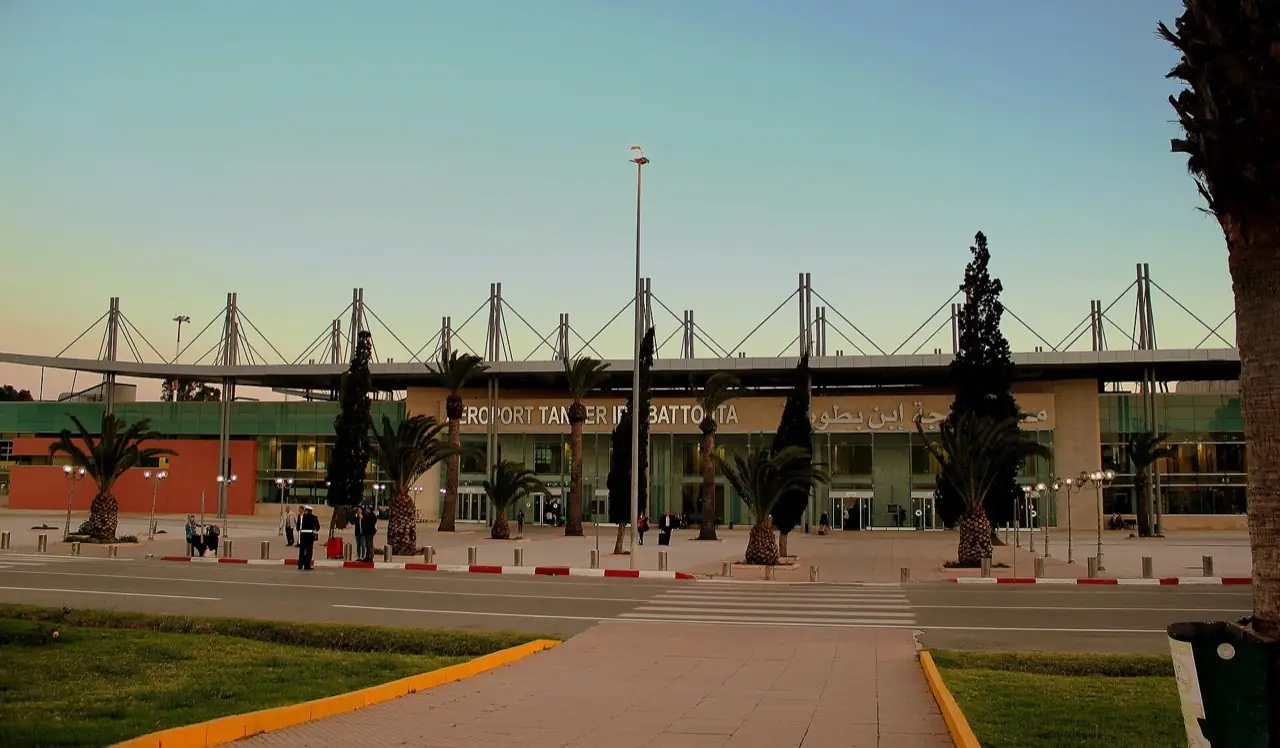
Yes, Morocco has extensive coastlines on both the Atlantic Ocean and the Mediterranean Sea. Beach conditions vary by region: some places suit swimming and resort stays, while others are better known for surfing, wind and long walks. Check local conditions, flags and lifeguard guidance before entering the water.
Atlantic coast highlights
Essaouira is a popular coastal stop with a historic medina, harbor and breezy beach. Agadir offers a long urban beachfront and a convenient base for nearby coastal areas. Taghazout is known for surf culture, while quieter stretches farther south reward travelers who plan ahead. Wind and ocean conditions can make some beaches less suited to swimming on a particular day.
Mediterranean coast
The northern Mediterranean coast has beach towns and coves with a different feel from the Atlantic. Tangier, Tetouan and the surrounding coastline can be combined with northern city visits. Distances between beaches and inland destinations can be longer than they appear on a map, so check the route before setting a day schedule.
Getting to the coast
From Marrakech, travelers often make the drive to Essaouira as a day trip or stay overnight. A Marrakech private driver for day trips lets your group set a departure and return plan. Casablanca is another useful starting point for Atlantic destinations; use a private driver from Casablanca for a door-to-door itinerary.
For a family beach holiday in Morocco, consider travel time, shade, facilities and the age of children as well as the beach itself. Carry water and sun protection, and avoid leaving valuables visible in a parked vehicle. A driver booking provides transport, not a lifeguard or beach guide; arrange activities separately.
Combine coast and city
A coast tour can fit into a broader Morocco trip with time in Marrakech, Rabat, Tangier or the Atlas. Rather than rushing through several far-apart beaches, choose a region and allow time to enjoy it. For a month-by-month planning overview, read our Morocco weather guide.
Does Morocco Have Great Beaches? An Overview for Coastal Travelers
With more than 3,500 kilometers (2,175 miles) of coastline spanning two majestic bodies of water—the Atlantic Ocean to the west and the Mediterranean Sea to the north—Morocco boasts some of North Africa's most breathtaking and diverse maritime scenery. Yet many international travelers visiting for the imperial cities are surprised to learn how distinct Morocco's beaches really are.
From world-class surf breaks in Taghazout and windy kitesurfing bays in Dakhla and Essaouira, to tranquil turquoise Mediterranean coves near Tetouan and family-friendly resort esplanades in Agadir, Morocco offers a coastal destination tailored to every style of traveler.
Atlantic Coast vs. Mediterranean Coast: Which Should You Choose?
The Mediterranean Coast: Calm Turquoise Waters & Scenic Mountain Backdrops
Stretching from Tangier east toward Saïdia near the Algerian border, Morocco's Mediterranean coastline is characterized by dramatic limestone cliffs, pine-scented hillsides, and protected bays with gentle, clear turquoise waters. Unlike the rolling swell of the Atlantic, the Mediterranean is calm, making it the top destination for relaxed swimming, paddleboarding, snorkeling, and family vacations with young children.
- Cabo Negro & Martil: Located just 20 minutes from Tetouan, Cabo Negro offers fine golden sand, upscale beachfront resorts, an 18-hole golf course, and sophisticated seaside dining.
- Al Hoceima National Park Beaches: Beaches like Playa Quemado and Cala Bonita feature dramatic turquoise coves surrounded by cliffside cliffs, popular with scuba divers and eco-tourists.
- Saïdia (The Blue Pearl): A master-planned resort town featuring 14 kilometers of continuous soft sand, 5-star all-inclusive hotels, a modern yacht marina, and calm warm waters.
The Atlantic Coast: Waves, Ocean Breezes & Vibrant Seafood Culture
Facing the open Atlantic Ocean, Morocco's western coast is famous for wide golden beaches, invigorating ocean currents, world-renowned surf breaks, and historic fortified port cities:
- Essaouira (The Windy City of Africa): A UNESCO World Heritage medina surrounded by 18th-century stone ramparts. Essaouira's vast beach is adored by kitesurfers, windsurfers, and horseback riders. The water is bracing, but the cultural atmosphere, fresh sardine grills, and art galleries are unmatched.
- Taghazout & Anchor Point: Just north of Agadir, this former fishing village is now Africa's premier surfing capital. It attracts digital nomads, yoga enthusiasts, and surf travelers from across the globe with its world-class right-hand point breaks.
- Agadir Golden Bay: Boasting over 300 days of sunshine per year, Agadir features a protected 10-kilometer golden sand crescent lined with palm trees, 5-star beachfront resorts, and a flat pedestrian promenade ideal for safe swimming and family relaxation.
- Oualidia (The Oyster Lagoon): A stunning natural coastal lagoon sheltered from ocean waves by barrier reefs. Famous for its delicious cultivated oysters, flamingo-filled waters, and calm kayaking channels.
- Dakhla (Southern Sahara Coast): Where the Sahara desert dunes meet a 40-kilometer turquoise lagoon. Dakhla is recognized globally as one of the top three kitesurfing spots on Earth.
Top Safety Guidelines for Swimming in Morocco
While Morocco's beaches are breathtaking, ocean conditions vary significantly. Keep these vital safety precautions in mind:
- Watch for Atlantic Rip Currents: Atlantic beaches often have powerful undertows and rolling breakers. Only swim in designated zones marked with green safety flags and supervised by civil protection lifeguards.
- Check Tidal Shifts: In lagoons like Oualidia or open beaches like Essaouira, the tide shifts significantly between low and high water, altering swimming depth and current strength.
- Sun Protection: The combination of cool coastal breezes and strong North African UV rays can easily disguise intense sun exposure. Apply water-resistant SPF 50 sunscreen regularly.
Combining Coastal Escapes with Imperial City Itineraries
One of the finest ways to experience Morocco is pairing a cultural tour of the interior with a restorative seaside escape. For example:
- Marrakech & Essaouira Day Trip or Overnight: After 3 days exploring Marrakech's bustling souks, take a comfortable 2.5-hour private transfer to Essaouira for fresh Atlantic seafood and refreshing sea breezes.
- Casablanca to Oualidia Coastal Drive: A scenic drive down the Atlantic coastline stopping at El Jadida's Portuguese cistern and ending with an oyster tasting lunch overlooking the Oualidia lagoon.
- Tangier to Tetouan & Mediterranean Coves: Arrive at Tangier port or airport, explore the Kasbah, and transfer directly along the scenic Mediterranean corniche toward Cabo Negro and Chefchaouen.
To travel between Morocco's coastal towns and imperial centers effortlessly, reserve our private chauffeur transfer service. Your driver manages luggage, parking, and scenic routes while you relax in air-conditioned comfort.
Water Sports, Activities & Coastal Wildlife Across Morocco
Beyond sunbathing and swimming, Morocco's twin coastlines offer world-class outdoor recreation for thrill-seekers, nature enthusiasts, and maritime photographers:
- Surfing & Stand-Up Paddleboarding: The Atlantic coastline between Imsouane and Taghazout offers legendary point breaks like Killer Point, Anchor Point, and Cathedral Rock. Beginners find gentle rolling waves in Essaouira Bay, while experienced surfers ride some of the longest right-hand peeling waves in Africa at Imsouane's Bay.
- Kitesurfing & Windsurfing: Thanks to steady trade winds, Dakhla and Essaouira are internationally celebrated training grounds. Dakhla's calm lagoon provides flat, shallow water perfect for practicing freestyle aerials, while Essaouira tests windsurfers against rolling Atlantic swells.
- Deep-Sea Fishing & Coastal Excursions: Coastal ports like Mohammedia, Tangier, and Agadir offer chartered sea fishing excursions for sea bass, sea bream, and swordfish. Alternatively, leisure catamaran cruises along the Taghazout coastline frequently offer sightings of wild Atlantic bottlenose dolphins.
- Birdwatching in Coastal Wetlands: The Souss-Massa National Park south of Agadir is the world's most critical sanctuary for the endangered Northern Bald Ibis. The park's coastal estuaries and sand spits are also home to thousands of pink flamingos, avocets, and migrating European herons.
Seaside Gastronomy: What to Eat Along the Moroccan Shore
Moroccan coastal cuisine is among the freshest and most flavorful in the Mediterranean basin. When traveling with your private driver along the coast, make sure to sample these iconic specialties:
- Charcoal-Grilled Atlantic Sardines: Coated in aromatic chermoula marinade (fresh coriander, parsley, cumin, sweet paprika, garlic, lemon juice, and olive oil) and grilled over glowing argan-wood coals.
- Fresh Oualidia Oysters: Farmed in the clean, tidal waters of the Oualidia lagoon and served fresh on the half-shell with lemon wedges and crusty bread.
- Seafood Pastilla (Bastilla): A luxurious Moroccan pie encased in paper-thin warqa pastry, packed with calamari, wild shrimp, white fish fillets, and spiced glass noodles.
- Tajine de Poisson (Fish Tagine): Slowly simmered monkfish or sea bass fillets layered with bell peppers, tomatoes, preserved lemons, and green olives in an earthenware dish.